How allowing goods to be stolen became a genius Marketing Strategy.

The gentleman on the left is Frederick the Great. The King of Prussia in the 18th Century.

He was grappling with a peculiar problem. The farmers in his kingdom only grew wheat, making them susceptible to repeated famines. He wanted them to grow potatoes too, which is another great source of carbohydrates. Right from announcing rewards and penalties, he did everything. But nothing worked.

It’s then that he got a brainwave. He designated a small patch of land in his Palace grounds for potato farming. He announced potato as a crop exclusively for the consumption of the royalty and to be consumed only with royal permission. He posted guards on the patch of land. Soon, his subjects got wind of the crop. Some enterprising farmers tried to steal the crops to plant in their own fields. They tried and they succeeded. Unknown to them, the guards had secret orders to allow stealing sometimes. Before long, potato became a crop of choice in Prussia. Even today, it is a staple in what is now known as Germany.

The pic on the right is of hiphop clothing. Some hiphop clothing brands used this insight to allow their customers to steal their clothes from stores as these customers will always be way cooler than the rest. It gave them free publicity when they wore their clothes.

Even some beer brands employed the same tactic to get designer mugs (with their branding) be stolen by customers. It costed them almost nothing to place a permanent advert in their customers’ kitchens.

Can you think of any other brands who employ this strategy? Do comment.
When exceptional product quality plunged sales

Impossible. Ridiculous. How can it be?

The holy grail of brand stardom is great quality that gets talked about by customers. Yet, there are 3 case studies when it proved detrimental to sales. This is when innovative (or underhand and unethical) measures were brought to play to boost sales.

Case study 1:

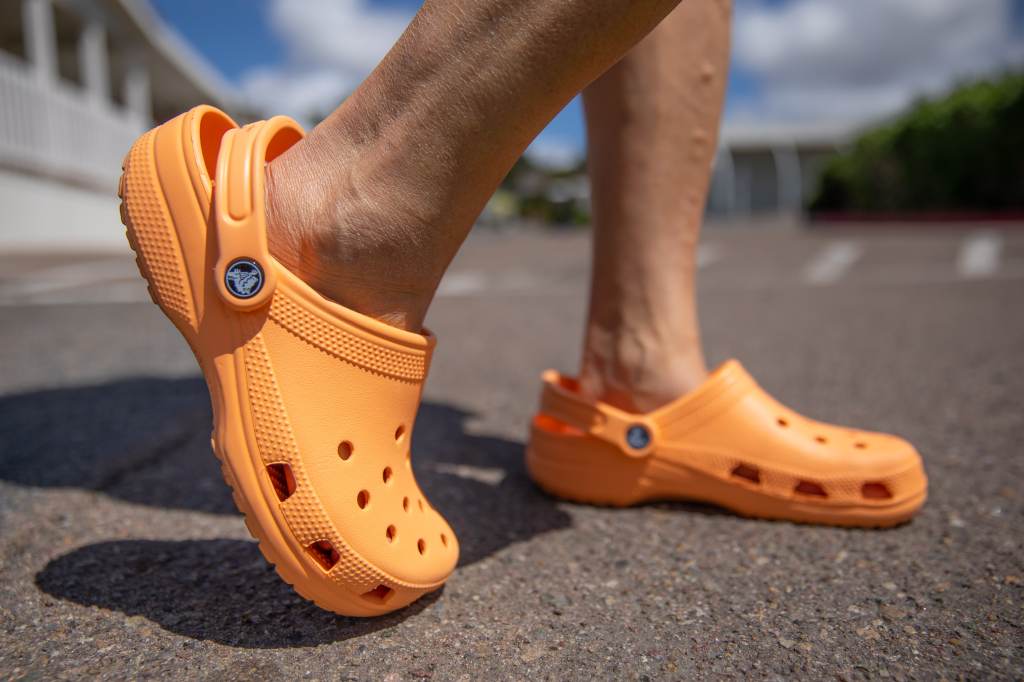
Crocs came face to face with a unique challenge in the early 2010s. Their product quality was so good that people didn’t need to replace their crocs for many many years. They needed to find a solution fast, or the company ran the risk of going under. What did they do? Dilute their product quality? Certainly not!
They innovated and introduced charms for their crocs. Those ‘charming’ trinkets that you can attach to your crocs. Now, the buyers could have multiple crocs and personlise them as per the usage. Sales skyrocketed.

Case study 2:

Incadescent bulb industry experienced a sudden plunge in their sales in the early 20th century. They found out that the reason is the exceptional quality of the bulbs which makes them last a long long time. The entire industry collectively decided to downgrade the quality of the bulbs to ensure quicker replacements.

Case study 3:

Tim Cook and Apple acknowledged in December 2017 that they had implemented software updates that deliberately slowed down the performance of older iPhone models.

It’s anybody’s guess what could be the reason behind this underhand move.

Case study 4:

Closer home, the National Green Tribunal banned cars above 15 years on the roads of Delhi/NCR. On the face of it, the reason was to reduce the emission of green house gasses, but let’s consider 2 simple points: 1. Can the same objective be achieved by stringent pollution control norms and stricter punishments for violating those norms? I know of many car owners who take such good care of their cars, it’s impossible to assume that their cars pollute.

2. What about the greenhouse emissions of producing more cars and transporting them to the car showrooms of Delhi?

No wonder, many believe that the hidden reason is the lobbying by the automobile industry to boost the sales of their vehicles which won’t be replaced otherwise because of better quality to comply with road worthiness norms.


What’s your take on this issue? If you faced a similar dilemma with high quality, what would be your approach? Do leave a comment.